





How Often Should Your Hair Be Oiled? Methods And Advantages
In the Indian subcontinent, hair oiling has long been a popular beauty and self-care ritual. As more people become aware of its advantages, hair oiling is

TFC Desk
Published:
|
1 min Read



0
0
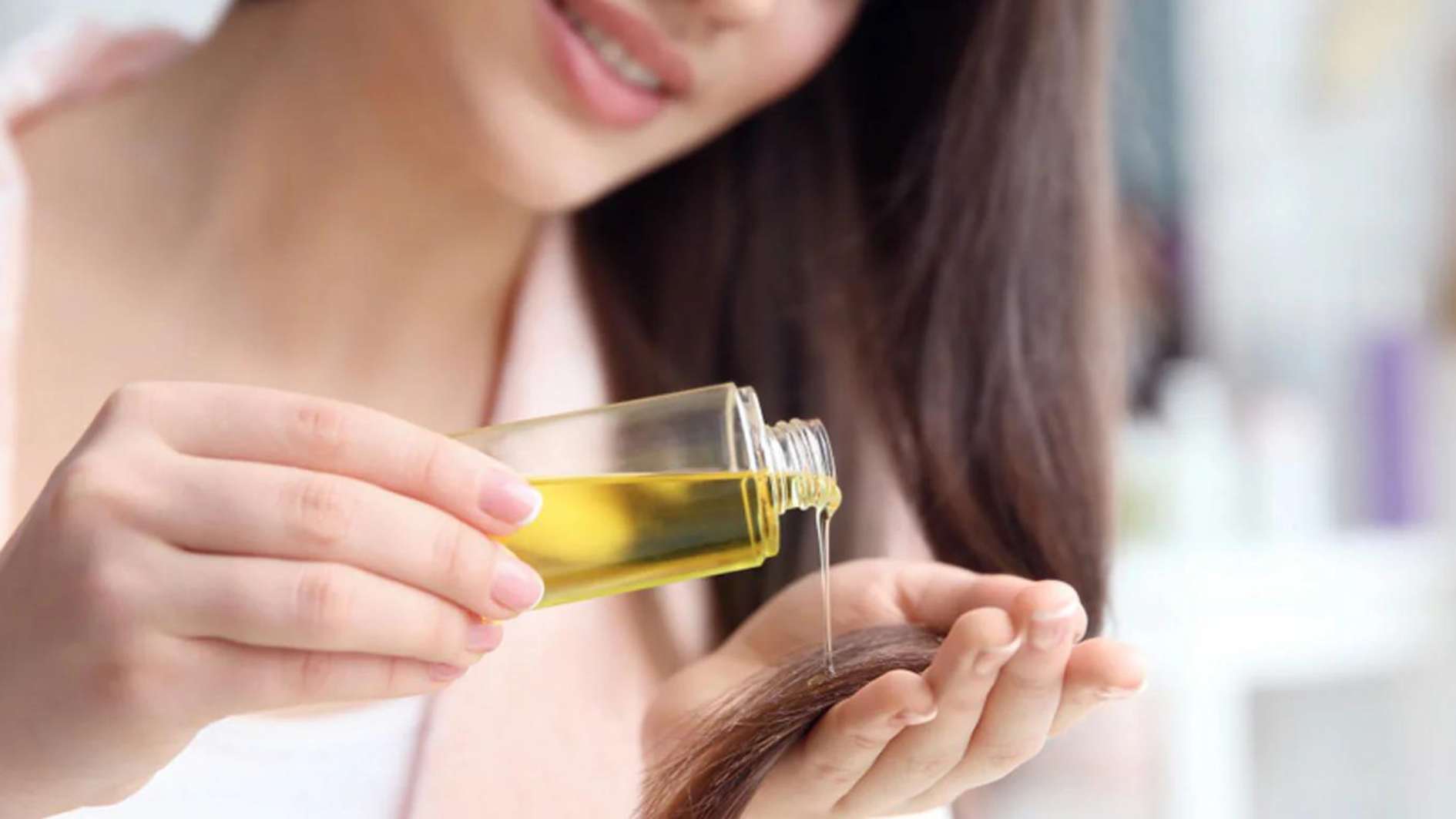
In the Indian subcontinent, hair oiling has long been a popular beauty and self-care ritual. As more people become aware of its advantages, hair oiling is becoming more and more popular worldwide. However, merely oiling your hair is insufficient; there is a precise technique and frequency for doing this, and sloppily applying oil to your hair won’t work and can even make matters worse. This begs the question, how often should you oil your hair in order to reap the greatest benefits and avoid any negative effects? The identical response is given in this article!
How Often Should Your Hair Be Oiled?
One or two times each week would be the optimal time to oil your hair. Because oils are heavy and sticky, having oily hair and scalp all the time can draw contaminants that could enter your scalp’s pores. Therefore, it’s critical that you avoid over-oiling your hair and that you give your scalp and hair room to breathe.
Factors Affecting How Frequently Your Hair Should Be Oiled
The frequency of hair oiling is contingent upon the cycles of washing. It would be essential to oil your hair more frequently if you werehed it with shampoo more frequently—let’s say four times each week. In a similar vein, you can cut back on the frequency of hair oiling if your washing cycle is shorter.
Your hair’s length, thickness, kind, and texture all affect how frequently you should oil it. More regular oiling is required for thick, coarse, long, and curly hair than for thin, fine, short, and straight hair.
Understanding Scalp Oiling
It’s a fact that many people don’t know, but oiling the scalp is significantly more crucial than just oiling the hair. When oiling your hair, it’s more important to massage the lotion into your scalp thoroughly than to apply a large amount. Although the oil only serves as a lubricant, massaging the scalp offers various other advantages in addition to those related to beauty.
An investigation published in the Journal of Physical Therapy Science found that giving 34 female office workers a scalp massage lowers their heart rates, blood pressure, and stress hormone levels while also improving their level of relaxation . Just to focus on the advantages of scalp massage for haircare, a different study demonstrated that it markedly increased hair thickness
Moreover, individuals of all ages, hair types, and walks of life can greatly benefit from oiling the scalp and should inculcate it in their self-care practice.
Understanding Oiling the Hair Lengths
Although the former may hold greater significance, it is also useful to oil the lengths of hair, so it should not be overlooked. In addition to preserving the hair from environmental aggressors, oiling the mid-lengths and tips enhances the texture, lustre, smoothness, manageability, and overall appearance of the hair (more on that below). Let us go over the advantages of oiling hair in detail to better comprehend this.
Benefits of Oiling the Hair And Scalp
1. Moisturizes the Hair And Scalp
Hair oils are useful as a natural moisturiser because of their occlusive and emollient qualities . Hair roots are energised, dry scalps are nourished, and hair is condition to seem younger. Additionally, it increases hydration, relieves dryness, resupplies the scalp’s skin barrier, fortifies hair follicles, and stops transepidermal water loss
2. Enhances Texture of Hair
The fact that oils, or any oils, work wonders as lubricants is hardly new information. As a result, when we oil our hair, we lubricate the strands and give them slickness. Thus, coarse hair becomes more silky, its texture becomes softer, and troublesome hair knots are easier to untangle. By retaining moisture in the hair shafts and minimising frizz, hair oils aid in the maintenance of this better texture (3). Hair looks better overall when it is smoother.
3. Helps Reduce Dandruff And Flakiness
Hair oils can help with both fungal infections and excessive, untreated dryness, which are the main causes of dandruff Furthermore, hair oiling lowers the chance of lice.
4. Reduces Hair Fall
It is commonly known that rubbing oil into the scalp increases blood flow there. This enhances overall hair health by lowering hair loss and promoting thicker, healthier hair growth .
Now that you know the benefits of oiling your hair, the frequency at which it should be done, and the differences between oiling your scalp and your hair, let’s talk about the sort of hair oil that will work best for you and how to apply it.
Why Is Hair Oiling a Crucial Component of a Haircare Regimen?
Rejuvenating with oiling is a great idea after a long, exhausting day. Everyday exposure to environmental aggressors such as heat, humidity, dryness, pollution, free radicals, and other conditions can cause hair difficulties and headaches. By oiling your right with the appropriate oils and techniques, you can, nevertheless, counteract the effects of these outside influences. Also, you can shield your hair from harm if you use an oil-based serum rich in antioxidants before going outside.
Promotes Healthy Blood Flow in the Scalp
Blood circulation is improved by massaging the scalp, and this promotes a number of health advantages, including better hair development, relaxation, regeneration of the scalp, reduced stress, etc.
Affordable Hair Mask Since they have comparable advantages to hair masks, plant-based oils can be used in the same manner. In addition, oils are far less messy and more reasonably priced than cream-based masks.
What Types of Hair Oils Should One Use?
Essential oils and carrier oils make up hair oils. While essential oils are fragrant herbal concentrations with various advantages for hair and scalp care, carrier oils are simply plant-based lipids used to lubricate and moisturise damaged hair.
It is crucial to apply the appropriate sort of hair oil for your hair type, scalp health, and unique needs, such as hair growth, dandruff control, frizz control, early greying, etc. Additionally, natural hair oil is usually a better investment than synthetic treatments laced with paraffin, which are more detrimental than beneficial.
While there are many variables that affect how often you should oil your hair, including weather, hair wash cycles, thickness and length of your hair, and scalp inclinations, one to two times a week is a decent starting point that works for most individuals. To get the most out of hair oiling, in addition to how often you do it, you should pay close attention to how you oil your hair, how much and what sort of oil you use, and how you wash and take care of your oiled hair afterwards.
Make sure to comb or knot your hair only after letting it settle for a while, and be careful when detangling to prevent breaking. Additionally, bear in mind that hair oils are essentially rinse-off products because you shouldn’t leave your hair oiled for an extended period of time. Don’t use hair oils in place of leave-in hair treatments like serums
Share This Article